
Why Pay More Attention to Top-Ups and Repeat Customers
Why Pay More Attention to Top-Ups and Repeat Customers
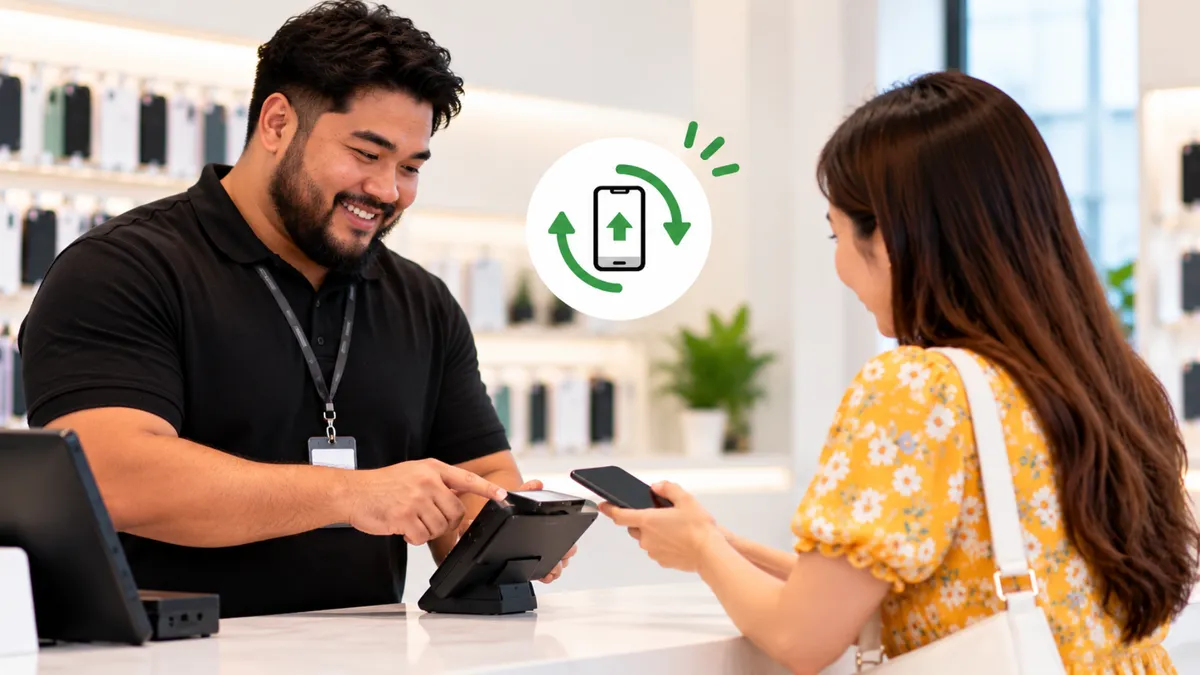
A customer walks into your wireless store to refill their prepaid phone service.
They pay their bill, receive confirmation, and leave.
The entire transaction may take only a few minutes.
To some dealers, that is just another routine payment.
But think about what happened.
A customer who already knows your store chose to come back instead of going somewhere else.
That repeat visit matters.
Independent wireless dealers spend time attracting new customers, promoting phone plans, and completing activations. But customers who return for prepaid top-ups can also play an important role in the business.
The opportunity is not simply to sell them something every time they visit.
It is to build a store they trust and want to keep coming back to.
New Activations Matter, but So Do Existing Customers
New activations are an important part of many prepaid wireless businesses.
They can help stores attract new customers and create opportunities for future service relationships.
But focusing only on new activations can cause dealers to overlook existing customers.
Consider two situations.
In the first, a customer visits your store to activate a new phone line.
In the second, a customer who activated several months ago returns to refill their service.
Both customers deserve attention.
The first customer may be starting a relationship with your store.
The second is showing that the relationship can continue.
Over time, existing customers may need new phones, replacement accessories, additional lines, or help understanding their service options.
A store that provides consistent service gives those customers a reason to return.
Prepaid Top-Ups Are More Than Small Transactions
Prepaid top-ups allow customers to add funds or renew eligible services according to their provider's program.
For many customers, paying for service is a regular part of their routine.
Some prefer visiting a physical store because they want help completing the payment or confirming that their service has been renewed.
Others may be more comfortable speaking with someone than handling everything online.
That creates an opportunity for wireless dealers to provide a useful service.
But not every top-up produces the same revenue.
Dealer compensation, processing costs, and transaction requirements can vary by program.
Some transactions may generate a small margin.
Others may offer limited direct financial benefit.
That is why store owners should understand how each program works instead of assuming that frequent transactions automatically mean strong profits.
The value of a repeat visit may include both the transaction itself and the customer relationship it helps maintain.
The Customer Who Pays Today May Need a Phone Tomorrow
Imagine a customer visits your store regularly to renew their prepaid service.
During one visit, they mention that their phone battery no longer lasts through the day.
Your employee could simply complete the payment and move on.
Or they could ask a useful question:
“Is the battery causing problems, or are you starting to think about replacing the phone?”
The customer explains that they are considering an upgrade but are not ready to buy yet.
Now your employee understands something about the customer's needs.
They can explain available options without pressuring the customer.
When the customer is ready to replace the device, they may remember that conversation.
This is how ordinary service interactions can lead to future opportunities.
Not every customer needs an additional product today.
Sometimes the best thing your employee can do is listen.
Make Every Return Visit Easy for the Customer
Customers are more likely to appreciate a store that makes routine transactions simple.
For prepaid top-ups, that means employees should understand the correct payment process and explain what the customer can expect.
Before completing a transaction, confirm the appropriate account or phone-number details through the authorized system.
Make sure the customer understands the amount being paid and the service or balance being purchased.
Afterward, provide the available confirmation or receipt.
If a transaction is delayed or unsuccessful, explain the issue rather than assuming it will resolve itself.
Employees should avoid promising immediate service restoration when the provider's system has not confirmed the payment.
A reliable experience helps customers feel more confident about returning.
Payment Accuracy Is Just as Important as Making the Sale
Prepaid payments involve more than accepting money at the counter.
The transaction may pass through a point-of-sale system, payment processor, distributor, or service provider before it is completed.
That makes accuracy important.
Imagine a customer pays to renew their service, but the payment is applied to the wrong account.
The customer may lose access to service or need additional support to correct the mistake.
Now the store has a problem that could have been prevented with proper verification.
Train employees to confirm account information carefully.
They should follow the approved transaction process, review the payment amount, and check the result before telling the customer the transaction is complete.
When a payment fails, staff should follow the authorized escalation procedure.
Do not repeat a payment blindly if the first transaction's status is unclear.
A duplicate payment can create another customer complaint.
Know How Much Your Top-Up Transactions Actually Earn
A store can process many prepaid payments without knowing how much those transactions contribute to its business.
That is a problem.
Dealers should understand the compensation and costs associated with the programs they offer.
For example, imagine a store processes $5,000 in prepaid top-ups during a month.
That does not mean the store earned $5,000.
Most of that amount may represent customer payments being passed through to the service provider.
The store's actual revenue or compensation depends on its agreement.
Processing charges, adjustments, reversals, and other applicable costs may also affect the final result.
To understand performance, review the actual amount the store earns after relevant transaction costs.
This gives owners a clearer picture of which services contribute to the business.
A Busy Store Is Not Always a Profitable Store
Foot traffic matters, but it is only one part of store performance.
Imagine your store handles dozens of prepaid payments every day.
Employees stay busy.
Customers come and go.
But the store owner has not reviewed the compensation earned from those transactions or the labor required to process them.
High transaction volume may look impressive while contributing less profit than expected.
That does not mean top-up services are unimportant.
It means dealers should measure their value realistically.
Track the number of transactions, the revenue or compensation received, applicable fees, and any reversals or adjustments.
Compare those results with other activities inside the store.
This can help you understand how prepaid top-ups fit into the overall business.
Repeat Customers Can Create Opportunities Beyond Refills
Customers who visit your store regularly may have other wireless needs.
Someone renewing service may also need a charging cable.
Another customer may be interested in adding a family member to an eligible plan.
A different customer may want to compare available devices before upgrading.
These conversations should happen naturally.
For example, after completing a top-up, an employee might ask:
“Is everything working well with your phone and service?”
That simple question gives the customer an opportunity to mention a problem.
If they say everything is fine, there is no need to push further.
If they mention an issue, your employee can help them understand the available options.
The goal is to make the visit useful, not to turn every refill into a sales pitch.
Better Customer Relationships Can Support Retention
Wireless dealers often compete with other stores, online payment options, and direct carrier channels.
Customers may have several ways to renew their prepaid service.
So why would they continue visiting your location?
Convenience is one reason.
But customer experience also matters.
Customers may appreciate employees who explain charges clearly, answer questions patiently, and help them understand their options.
A customer who feels respected has a reason to remember your store.
That does not guarantee loyalty.
But consistent service can support stronger relationships over time.
Dealers should pay attention to how customers are treated during routine transactions, not just major purchases.
Your Distribution Partner Affects More Than Product Availability
Independent wireless dealers depend on different providers and distribution relationships to operate their businesses.
Those relationships can influence which products and programs are available.
They may also affect transaction procedures, payment processing, reporting, support, and issue resolution.
When evaluating a distribution partner, dealers should look beyond one advertised incentive.
Ask practical questions.
What products and service programs are available to my store?
How are transactions and compensation reported?
What happens if a top-up fails?
How are reversals and adjustments handled?
What support is available when a customer has an issue?
Are there requirements or restrictions I need to understand?
The answers can help dealers compare their options more carefully.
A strong business relationship should support the store's daily operations, not just its initial enrollment.
Payment Delays Can Affect Customer Trust
Imagine a customer completes a prepaid payment at your store.
Your employee accepts the payment and tells the customer everything is finished.
But the transaction has not been confirmed by the provider.
Later, the customer returns because their service was not renewed.
This creates frustration.
The employee may have acted in good faith, but the customer expected the payment to work.
That is why stores need a clear process for confirming transactions and handling exceptions.
Employees should know how to check payment status, when to escalate an issue, and what information can be shared with the customer.
They should also understand that some payment problems must be resolved by the relevant provider or processing partner.
Reliable communication is especially important when a transaction does not go as expected.
Watch for Reversals, Adjustments, and Unexpected Fees
Dealers should not look only at the total value of transactions processed.
They should also review the amounts that are reversed, adjusted, or charged back under applicable programs.
For example, a transaction may appear successful during the day but later require investigation or adjustment.
The store may also encounter processing fees or settlement differences.
The exact rules depend on the provider and agreement.
Review reports regularly and compare them with your point-of-sale records.
If something does not match, investigate through the appropriate support channel.
Do not assume that every discrepancy is fraud or that every reversal can be recovered.
The important thing is identifying problems early enough to understand what happened and what action is available.
Train Your Employees to Recognize Returning Customers' Needs
Your team does not need a complicated sales script for every prepaid payment.
Instead, teach employees a few practical habits.
1. Complete the payment accurately.
Confirm the account information and transaction result using approved procedures.
2. Explain important details clearly.
Make sure the customer understands the amount paid and the available confirmation.
3. Listen for service problems.
Customers may mention slow data, coverage concerns, or issues with their devices.
4. Recommend only relevant products.
A customer who needs a compatible charger may appreciate a recommendation. A customer who simply wants to pay their bill may not need anything else.
5. Know when to ask for support.
Employees should understand how to handle failed transactions and when to contact the provider or distributor.
6. Treat returning customers with the same attention as new customers.
A routine refill is still an opportunity to provide good service.
These habits can help stores create a more consistent experience.
Small Improvements Can Make Repeat Business More Valuable
You do not need to redesign your entire store to improve the customer experience.
Start with one area.
Maybe your employees need better training on top-up confirmations.
Maybe your receipts are difficult for customers to understand.
Perhaps your store needs a clearer process for handling failed payments.
Or maybe your team has become so focused on completing transactions quickly that it rarely asks whether returning customers need help.
Choose one issue and improve it.
Then review whether the change is helping.
Small operational improvements can make daily work more consistent and help customers feel more confident using your store.
Your Next Growth Opportunity May Already Be Walking Through the Door
Wireless dealers often look for new products, new promotions, and new ways to attract customers.
Those opportunities matter.
But existing customers deserve attention too.
Someone who returns every month to renew prepaid service is already familiar with your business.
That relationship may lead to future questions about devices, accessories, additional lines, or other wireless services.
The opportunity is not to pressure customers into spending more.
It is to understand their needs, provide accurate service, and make every visit worthwhile.
Prepaid top-ups may look like small transactions.
But the customer relationships around them can be an important part of a wireless store's long-term business.
Explore More Wireless Business Opportunities With UPD
Independent wireless dealers need reliable programs, clear transaction processes, and access to products that fit their customers.
At Unlimited Prepay Distribution (UPD), we're focused on helping dealers explore available wireless products, understand service opportunities, and strengthen their businesses.
Whether your store is focused on new activations, device sales, or serving existing prepaid customers, understanding your programs and customer needs can help you make better decisions.
Want to explore more opportunities for your wireless store? Connect with Unlimited Prepay Distribution and learn how UPD can support your dealer business.


