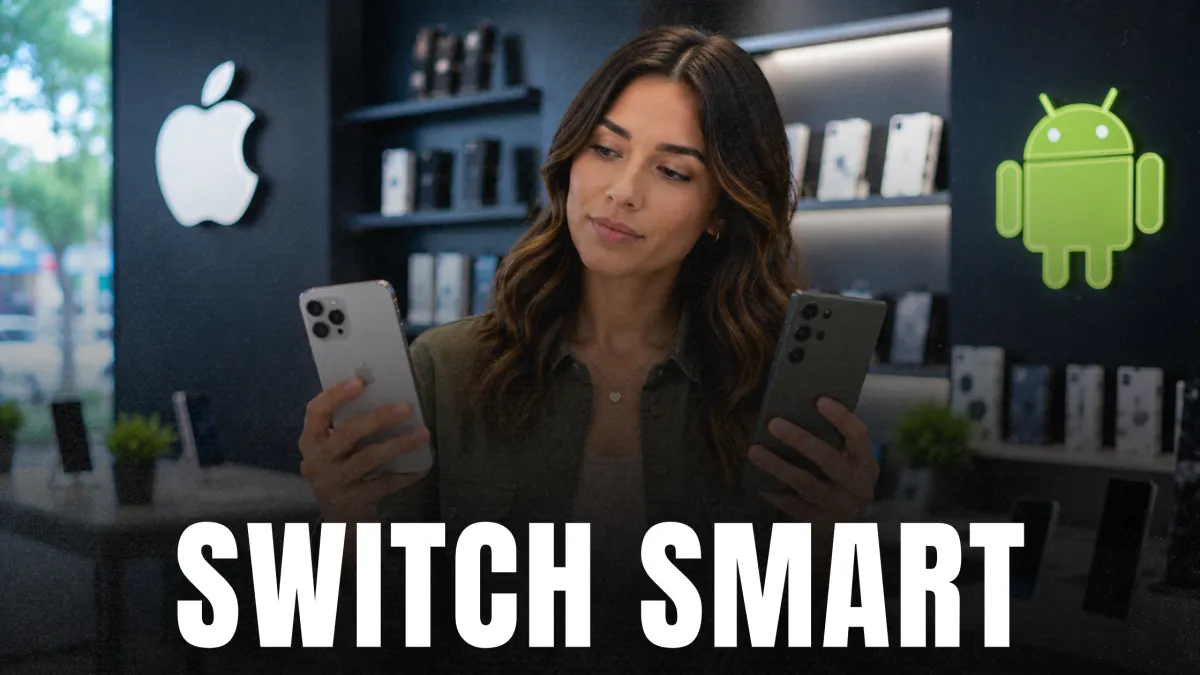
iPhone vs Android Loyalty Is Real, Here’s How Dealers Still Win the Sale
iPhone vs Android Loyalty Is Real, Here’s How Dealers Still Win the Sale
If you’ve been in wireless long enough, you already know this is true:
Most customers are not casually switching from iPhone to Android or Android to iPhone.
People act like it’s just a phone choice, but it’s not. It’s a habit. It’s photos. It’s passwords. It’s group chats. It's a work app. It’s banking. It’s earbuds, watches, chargers, and everything else tied into that device.
That loyalty is real.
But here’s where a lot of dealers get it wrong.
They hear “loyalty” and think the customer is impossible to move. That’s not always true. A lot of customers are open to switching or upgrading. They just don’t want a headache. They don’t want surprises. They don’t want to leave the store feeling confused or regretting the move.
That’s where the dealer wins.
The job is not to argue iPhone versus Android like it’s some internet debate. The job is to figure out what the customer actually wants, what they’re worried about, and how to make the next step feel easy.
That’s how you win switchers. That’s how you keep loyal customers happy too.
Loyalty Is Strong Because Customers Don’t Want Friction
Most people stay with what they know because it feels safe.
They know where their pictures are. They know how their messages work. They know how to connect their earbuds, their watch, their apps, and their cloud backups. They know the layout. They know the settings. They know how to move through the phone without thinking.
That comfort matters more than a lot of dealers realize.
Customers are not just buying a device. They’re buying familiarity.
That’s why switching feels heavy to them. Not because they’re always obsessed with the brand, but because they’re trying to avoid friction.
And if a dealer doesn’t understand that, they start selling the wrong way. They start pushing specs when the customer is really worried about losing photos, breaking group chats, or having to relearn everything.
That’s not how you close the sale.
Stop Selling Brands and Start Selling Outcomes
This is one of the biggest mindset shifts dealers need to make.
Most customers are not walking in because they care deeply about “ecosystem strategy.” They’re walking in because they want something better than what they have now.
Usually it comes down to something simple:
better photos
better battery
smoother performance
stronger signal where they live
less spam
a phone that feels easier to use
something more reliable for work
That’s what they’re really buying.
When a customer says they’re thinking about switching, the first move should not be to defend a brand. The first move should be to find the outcome.
What are they trying to improve?
Because once you find that, the conversation gets easier. Now you’re solving a problem instead of pushing a label.
That changes everything.
Switching Happens When the Value Is Clear and the Fear Is Low
Customers switch when two things happen at the same time.
First, the value feels obvious.
Second, the risk feels low.
If the value is weak, they stay where they are. If the fear is high, they stay where they are. If both are handled right, now you’ve got a real shot.
That means the dealer has to control both sides of the conversation.
You have to show why the move makes sense. Better battery. Better camera. Better speed. Better day-to-day use. Better fit for work. Better reception where they live.
Then you have to lower the fear.
Will photos transfer? Will contacts come over? What about apps? Passwords? Messages? Group chats? Accessories? Wearables? Chargers?
This is where a lot of sales fall apart. Not because the phone was wrong, but because the dealer did not make the customer feel safe about the switch.
People don’t mind change as much as they mind uncertainty.
The Best Dealers Use a Repeatable Switch Check
The dealers who handle this best do not wing it.
They use the same simple process every time a customer says they’re thinking about switching or upgrading. It doesn’t need to be complicated, but it does need to be clear.
First, find out what the customer actually wants the next phone to do better. Better battery? Better camera? Faster performance? Stronger day-to-day reliability? Simpler use?
Then find out what they’re nervous about. That’s where the real sale is.
A lot of customers won’t say it directly, but the fear is usually there:
losing photos
messing up contacts
forgetting app logins
dealing with messaging issues
losing compatibility with things they already own
Once you know both sides, you can build a clean day-one plan.
That means confirming their backup is current, thinking through the transfer, making sure the must-have apps get set up first, locking down the security basics, and helping them leave with messaging and essentials working the way they expect.
That kind of process builds trust fast.
And trust closes sales.
Accessories Help the New Phone Feel Right Faster
A lot of dealers leave money on the table here.
Accessories are not just an add-on. They help reduce buyer regret.
A customer feels better about a new phone when it already feels protected, charged, and ready for daily life. That matters even more when they’re changing ecosystems.
A case and screen protector give them day-one protection. A fast charger and the right cable reduce battery anxiety. A car charger makes the phone fit into their routine faster. Earbuds or headphones can matter too, especially if the customer is adjusting to a different connector or setup.
All of that helps the phone feel complete.
That’s important because buyers second-guess when something feels unfinished. The smoother the setup feels, the better the customer feels about the decision.
And when the customer feels good leaving the store, retention gets stronger too.
You Don’t Need to Force Switching to Win
This part matters.
Not every customer should switch ecosystems.
A lot of them should stay where they are and just upgrade inside that same lane. That’s fine. A smart dealer does not force the wrong move just to sound convincing.
If a customer is heavily tied into iPhone and really just wants a better battery, more storage, or a stronger camera, then the better move might be a cleaner iPhone upgrade.
Same thing on the Android side.
There’s a strong sales angle there too:
same comfort, better experience.
That is an easy close when positioned right. Faster phone, smoother use, better camera, better battery, less lag, without making the customer relearn everything.
That’s still a win.
The point is not to push switching no matter what. The point is to guide the customer into the best outcome with the least friction.
That’s what good dealers do.
Dealers Win More When They Sell Confidence
A lot of salespeople try to win with information overload.
Too many specs. Too much comparison. Too much brand talk.
That’s not what most customers need.
What they need is confidence.
They need to feel like somebody is guiding them through the decision in a way that makes sense. They need to feel like the next step is clear. They need to feel like they won’t leave the store confused.
That’s why the best dealer language is simple.
Focus on what the customer wants the phone to do better. Show them the safest path. Explain the plan clearly. Let them know what happens next. Make it easy to say yes.
That approach works whether the customer stays with iPhone, stays with Android, or switches completely.
Because at the end of the day, confidence sells better than brand arguments.
The Dealers Who Win This Best Understand the Real Job
The real job is not just to sell a phone.
It’s to make the customer feel like the decision was smart.
That means solving the real problem, removing fear, guiding the setup, and making the experience feel clean from the start. That’s how you win switchers. That’s how you keep loyal users happy. That’s how you create fewer regrets, stronger trust, and better repeat business.
iPhone loyalty is real. Android loyalty is real too.
But loyalty does not mean the sale is locked before the conversation starts.
The dealer who knows how to sell outcomes, reduce fear, and create a no-surprises experience still has a huge advantage.
That's what the dealer customers remember.
Want to build a wireless business with the right support behind you?
If you want to grow as a dealer, serve customers better, and learn how to sell with more clarity and confidence, UPD is built for that.
Connect with Unlimited Prepay Distribution and grow with a team that helps dealers win in the real world.


