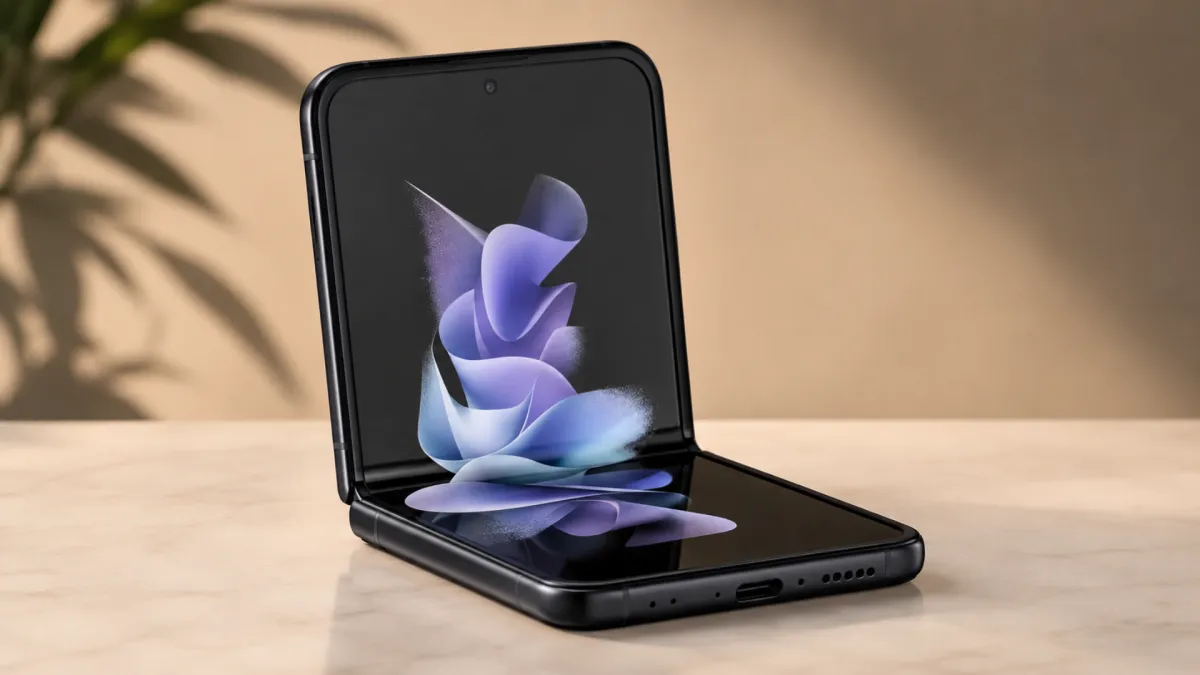
How Dealers Can Sell Foldables Phones Without Getting Hit With Returns
How Dealers Can Sell Foldables Phones Without Getting Hit With Returns
Foldables get attention fast.
The second a customer sees one open and close, the interest is there. It feels different. It looks premium. It gives people that “this is not the same phone everybody else has” feeling. That matters in-store.
But here’s the truth a lot of dealers learn the hard way: foldables do not sell the same way regular phones sell.
If a dealer treats a foldable like any other device, returns go up. Customer regret goes up. Expectations get messy. And what should have been a strong sale turns into a problem.
That’s why selling foldables the right way matters.
I’ve been in this business long enough to know this: customers usually do not return a phone because it’s bad. They return it because it was sold the wrong way. Nobody explained the lifestyle fit. Nobody set the right expectations. Nobody showed the value in a real way.
That’s where the dealer wins or loses.
If you want to sell foldables well, you do not need a long tech lecture. You need a clean way to match the right customer to the right device, demo the value quickly, and close the sale with the right protection and the right expectations.
That’s how you move product and protect your store from unnecessary returns.
Foldables Need a Different Sales Approach
A regular slab phone is easy for most customers to understand.
A foldable is different.
It creates excitement, but it also creates questions. Customers want to know if it’s durable enough, if the crease is normal, if the outside screen is useful, if the battery fits their day, and whether the phone actually matches how they live.
That means the sale has to be more intentional.
A foldable customer is usually buying for one of three reasons:
they want something different
they care about style and portability
they want a more premium or more interesting device experience
That’s a different mindset than somebody just replacing a basic phone.
So the first mistake dealers make is jumping straight into price or specs. That’s backwards.
With foldables, the better move is to understand the customer first. What matters to them? How do they use their phone? Are they buying for style, convenience, camera, or just because they want something new?
That’s what makes the sale cleaner.
The Best Way to Reduce Returns Is to Qualify Better Up Front
This is where a lot of returns can be avoided.
Before you start pitching a foldable, ask better questions.
You want to understand:
how they use their phone every day
whether they care more about portability or screen size
whether they work around dust, sand, or rough conditions
whether camera quality is a top priority
whether they charge once at night or top up throughout the day
whether they want something new for fun or something practical for everyday use
That conversation matters.
Because foldables are lifestyle phones. When the fit is right, customers love them. When the fit is wrong, they start noticing every little difference and that’s when regret kicks in.
A customer who wants rugged, simple, and low-maintenance may not be the best foldable buyer. A customer who wants style, compact carry, and something fresh may be perfect for it.
That is why qualifying matters more than pitching.
Demo the Real Value Fast
Most customers will not understand why a foldable is worth it until they feel it.
That means the demo has to be simple, fast, and practical.
Do not drown them in specs.
Show them what actually matters:
how useful the outside screen is
how fast they can check notifications
how easy it is to quick-reply without opening the phone
how the hinge feels when opening and closing
how the phone sits in the hand or pocket
how the camera setup can work hands-free
That’s what makes the product real.
A foldable sells better when the customer sees what it changes in daily use. The goal is not to impress them with technical language. The goal is to make them say, “I can actually see myself using this.”
That’s the sale.
Set Expectations Clearly or You’ll Pay for It Later
This is the part too many dealers skip.
They get excited, the customer gets excited, the phone sells, and then nobody explains the reality of owning a foldable.
That’s a mistake.
If you want fewer returns, be direct:
yes, the crease is normal
yes, foldables feel different than regular phones
yes, they need the right kind of case and protection
yes, lifestyle fit matters
That honesty helps the sale, not hurts it.
Customers are more likely to stay happy when they know what to expect. The dealer who explains the reality upfront builds more trust than the dealer who tries to glide past the details.
In this business, truth reduces returns.
That’s especially true with devices that feel different from the norm.
Keep the Product Positioning Simple
A lot of dealers lose sales by making things more complicated than they need to be.
If you have multiple foldable models, keep the conversation simple.
Think in terms of:
entry foldable
better everyday premium option
top-tier no-compromise option
Customers do not need a full spec breakdown. They need help understanding which one fits them.
That’s it.
The simpler the positioning, the easier it is for the customer to decide. Too much detail too early makes people hesitate. A clean “good, better, best” conversation keeps the sale moving.
The goal is not to prove how much you know.
The goal is to help the customer choose confidently.
Protection Is Not an Add-On It’s Part of the Sale
This is where smart dealers protect both margin and customer satisfaction.
A foldable should not be sold bare.
It needs the right close:
foldable-safe case
compatible screen protection
charger if needed
coverage or protection plan where it makes sense
That bundle does two things.
First, it increases the value of the sale. Second, it lowers anxiety for the customer. When somebody is spending more on a device that feels premium and different, they want peace of mind.
That’s not pushy. That’s smart.
A good protection close makes the customer feel taken care of and helps reduce the chances of them coming back frustrated later.
That’s how dealers should look at it.
Foldables Create Excitement But the Dealer Has to Control the Experience
There’s real opportunity in foldables.
They stand out in-store. They create curiosity. They pull customers in. They can help move upgrades from people who are bored with the same phone shape and same experience they’ve had for years.
That’s good for business.
But excitement alone is not enough.
The dealer has to control the process:
qualify the customer
demo the value
set expectations
position the right model
bundle the right protection
That’s how foldables go from “cool product” to profitable product.
Without that process, the same excitement that helps sell it can also create buyer’s remorse later.
That’s why discipline matters.
Dealers Who Sell Foldables Well Usually Sell More Than the Phone
This is another big opportunity.
A foldable sale is rarely just a device sale if the dealer handles it right.
It can also drive:
accessories
chargers
protection plans
upgrade conversations
trade-in conversations
stronger overall ticket size
That matters because premium device categories usually create more room for margin if the dealer knows how to build the sale the right way.
So the value is not just in moving the phone.
It’s in building the whole package around it.
That is where better dealers separate themselves from average ones.
Foldables can be a strong in-store opportunity, but only when the sale is handled the right way.
They are not just another phone on the shelf. They need better qualification, cleaner demos, more honest expectation-setting, and a smarter close. When dealers do that, they sell more confidently and deal with fewer returns afterward.
That’s the real play.
Not just moving a flashy device, but matching it to the right customer, protecting the experience, and turning the sale into something solid for both the store and the buyer.
That’s how you make foldables work in the real world.
Want dealer support that helps you sell smarter and protect profit?
At UPD, we help dealers do more than move products. We help them understand what sells, how to position it, and how to build stronger sales without unnecessary headaches.
Connect with Unlimited Prepay Distribution and grow with a team that stays involved.


