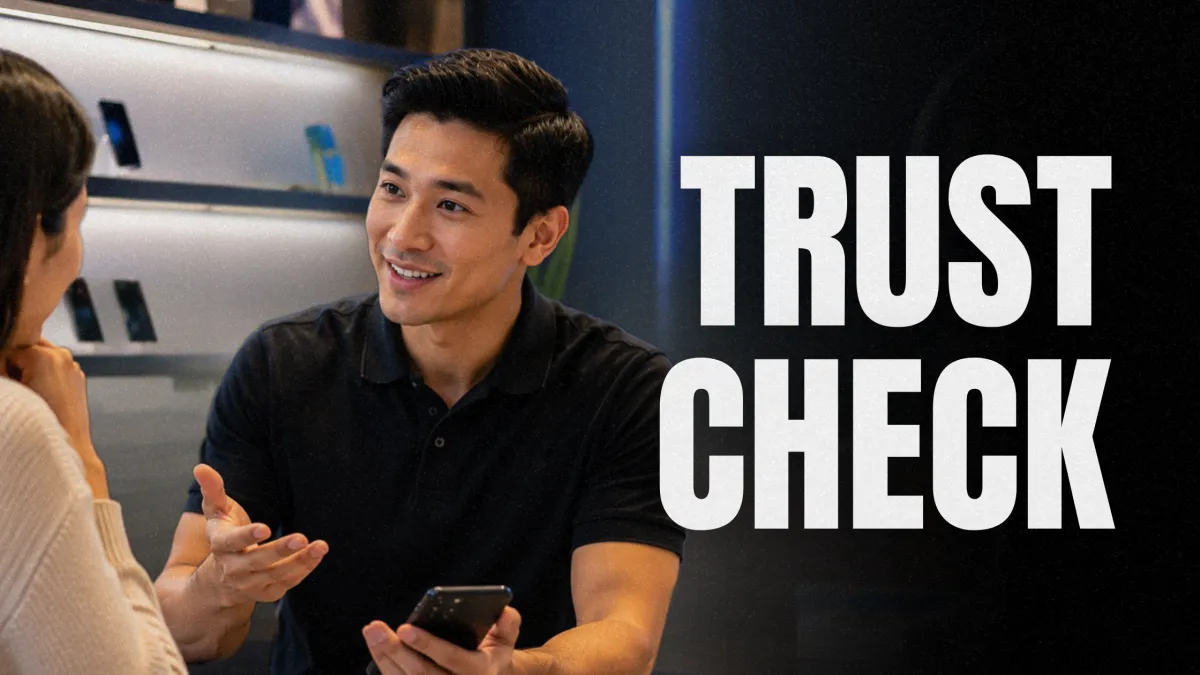
What Wireless Dealers Should Do When Bad Headlines Make Customers Nervous
What Wireless Dealers Should Do When Bad Headlines Make Customers Nervous
Bad headlines can create a problem in this business even when nothing has actually changed in the store.
A customer sees a news story, hears something online, or catches one scary headline about a carrier, and suddenly they start asking questions. Is the service getting worse? Should I switch now? Is something wrong with the company? Should I be worried?
Most of the time, the customer is not reacting to a real issue. They’re reacting to fear.
And that’s where a smart dealer separates himself.
I’ve been around this business long enough to know that a lot of churn doesn’t start with bad service. It starts with confusion. A customer gets nervous, starts connecting the wrong dots, and begins shopping before there’s even a real problem.
That’s why moments like this matter.
When bad headlines hit, a lot of dealers make the mistake of either ignoring it or overexplaining it. Both are weak moves. What the customer really needs is simple: calm, clear guidance from somebody who knows how to bring the conversation back to reality.
That’s how trust gets protected.
Customers React to Headlines Before They React to Real Problems
Most customers are not following the market closely. They’re not studying earnings reports or trying to understand investor sentiment. They see one negative headline and translate it into something personal.
They think if the stock is down, the service must be in trouble too.
That’s not how it works, but that’s how people think when they don’t have context.
What customers actually care about is simple:
does my phone work where I need it
is my bill staying predictable
am I getting value for what I’m paying
do I feel like I’m in good hands
That’s the real conversation.
A dealer’s job in moments like this is not to get dragged into the noise. It’s to bring the customer back to what they actually experience day to day.
That’s where confidence comes from.
Fear Creates Pre-Churn Before a Customer Ever Has a Real Issue
This is something dealers need to understand.
A lot of switching starts before there’s even a real service problem. The customer gets unsettled, starts browsing, starts asking around, and emotionally begins leaving before they’ve made any move.
That’s pre-churn.
And if you don’t catch it early, it turns into real churn.
This is why bad news cycles matter even if the customer’s service is still fine. Fear creates movement. It makes people think they need to do something, even when nothing in their real life has changed.
That’s why the right response is not pressure. It’s clarity.
A good dealer slows the moment down, asks the right questions, and helps the customer separate headlines from actual experience.
That alone can save accounts.
Bring the Conversation Back to Real Life
When a customer comes in nervous about a headline, the move is simple.
Don’t argue. Don’t panic. Don’t get too technical.
Bring it back to their real life.
Ask them:
are you actually having service issues right now
have you noticed dropped calls or slow data where you use your phone most
has your bill changed unexpectedly
is there anything about your plan that feels off lately
Those questions matter because they shift the conversation away from emotion and toward facts.
A customer might come in convinced something is wrong, but once they stop and think about their actual experience, the story changes. Their phone is working. Their service is stable. Their bill is normal. The problem is not the phone plan. The problem is the headline got in their head.
That’s a trust moment.
And the dealer who handles that well becomes more valuable.
Dealers Need a Simple Confidence Check
You do not need to turn this into a big process.
What you need is a simple check that calms the customer down and helps them feel looked after.
Start with service.
Ask where they use the phone the most. Home, work, travel routes, hotspot use, the places that actually matter. Then ask if they’ve felt any real difference.
Next, check the bill.
Any surprise charges? Any confusion around autopay, discounts, or plan changes? Customers get nervous fast when billing feels unclear, so this part matters.
Then check the value.
Are they actually using what they pay for? Would switching really improve anything, or are they reacting to fear instead of need?
That’s the whole game.
If service is stable, the bill is predictable, and the plan still fits, then the right move is usually not to switch. The right move is to reassure the customer and remind them to focus on real-life performance, not noise.
That’s smart dealer work.
Don’t Recommend a Switch Unless It Solves a Real Problem
A lot of dealers lose trust because they treat every anxious customer like an easy sale.
That’s shortsighted.
If the customer’s current setup is working and the only reason they want to move is because of a scary headline, then pushing a switch just creates more confusion. Maybe you get a quick activation out of it, but you damage trust long term.
That’s not how strong dealers operate.
A real dealer understands that switching should solve something real:
better coverage
better billing fit
better features
better value
better customer experience
If it’s not fixing a real problem, then it’s probably the wrong move.
Customers remember who calmed them down and told them the truth. That kind of honesty builds stronger loyalty than forcing a sale ever will.
Use Bad News Cycles to Build More Trust
This is the part most dealers miss.
Bad headlines are not just a risk. They’re also an opportunity.
They give you a chance to show customers that you’re not just there to sell. You’re there to guide. You’re there to help them think clearly. You’re there to protect them from making rushed decisions.
That matters.
When a customer walks away feeling calmer, clearer, and more confident, your value goes up. They stop seeing you as just a place to pay a bill or buy a phone. They start seeing you as somebody who helps them make smart decisions.
That’s how you build stickier relationships.
In this business, trust is not built only during activations. It’s built in moments when customers are unsure and you help them steady out.
A Short Follow-Up Can Prevent Churn
One of the smartest things a dealer can do after a bad-news conversation is keep the door open.
Something simple works:
If anything feels off this week, come back and we’ll check it again.
That kind of follow-up matters more than people think.
It tells the customer:
you’re paying attention
you’re not rushing them
you’re confident enough to stand behind the guidance
they have support if something changes
A lot of churn gets prevented when customers feel they have somewhere to go before making a rash decision.
That’s real support.
And that’s one more reason dealers who stay involved always win more than dealers who just react transaction by transaction.
This Is Bigger Than One Headline
This kind of situation is not just about one carrier or one bad news cycle.
It’s a bigger lesson.
Customers get emotional fast when they hear negative news. Dealers need to be the ones who slow things down, check reality, and protect confidence. That’s a skill. And it directly affects retention.
The stores that grow are usually not the loudest. They’re the ones customers trust when things feel uncertain.
That’s what matters.
Anybody can repeat a headline. A real dealer knows how to respond to it.
When customers feel calm and supported, they stay longer, make better decisions, and trust your store more.
That’s good for them, and it’s good for business.
Want to build with a team that helps dealers keep customers and grow stronger?
At UPD, we believe real dealer support is not just about activations. It’s about helping you handle the everyday moments that protect trust, reduce churn, and grow profit over time.
Connect with Unlimited Prepay Distribution and build with people who stay involved.


